



By Elijah J. Magnier –
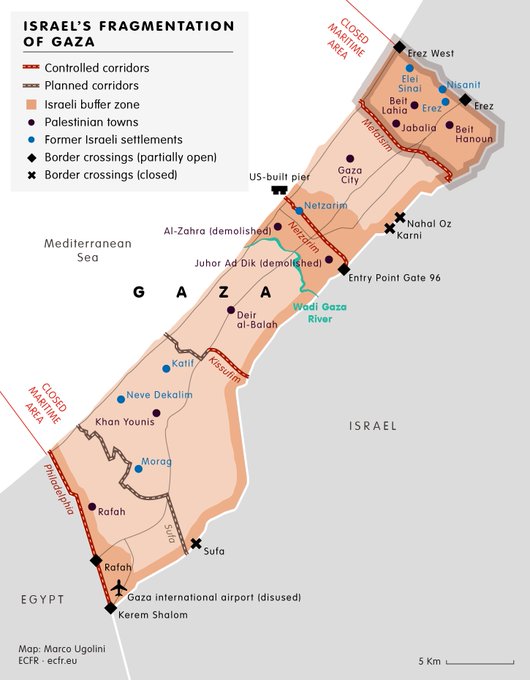
The invasion of Gaza began after 15 months of devastating warfare, interrupted only briefly by a fragile ceasefire that Israel has now broken with the consensus of the United States. Unlike the first war after the events of 7 October, which was widely supported by Israeli society – at the time it was seen as existential, with high human and economic costs deemed necessary – the current conflict lacks similar social support. Today, many Israelis perceive the renewed hostilities as driven primarily by Prime Minister Benjamin Netanyahu’s desire to maintain his political power and preserve his fragile right-wing coalition. Prominent voices within Israel have publicly condemned the government’s violation of the ceasefire, stressing that such actions seriously undermine Israel’s international credibility by openly violating official agreements. Moreover, the collapse of the Gaza ceasefire, brokered and monitored by the United States with Egypt and Qatar as guarantors, has profound implications beyond the Israeli-Palestinian conflict. It calls into question not only Israel’s reliability, but also the credibility and consistency of US-led diplomatic efforts worldwide, particularly in complex geopolitical conflicts such as the Russia-Ukraine war. This breakdown reinforces the perception that commitments brokered or guaranteed by the United States are selectively honoured, undermining trust and weakening America’s diplomatic standing worldwide.
The Gaza ceasefire is not the first Israeli agreement to be broken. Israel has a long history of violating ceasefires and international agreements, consistently enjoying Western protection from accountability.
Subscribe to get access
Read more of this content when you subscribe today.
Make a one-time donation
Make a monthly donation
Make a yearly donation
Choose an amount
Or enter a custom amount
Your contribution is appreciated.
Your contribution is appreciated.
Your contribution is appreciated.