



Author: Elijah J. Magnier
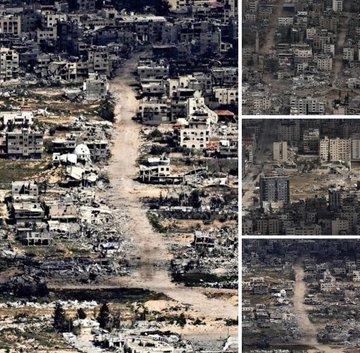
The US administration, through its Secretary of State Anthony Blinken and other spokespeople, has declared that “Israel made a generous offer to Hamas, and the ball is now in its court.” These statements, reiterated by US officials across various Middle Eastern capitals, seek to absolve Israel of its responsibility for placing barriers in the way of already challenging negotiations and bolster Israeli Prime Minister Benjamin Netanyahu amidst the deadlock he faces due to limited viable options to end the conflict. Netanyahu opposes a permanent ceasefire, opting instead for a merely sustainable one, and rejects both a complete withdrawal of Israeli forces from the entire Gaza Strip and the unrestricted return of all displaced northerners to their homes without Israeli military oversight of the demographics of returning Gazans. The US administration consistently seizes every opportunity, regardless of scale, to affirm its complete collaboration with the ongoing deprivation and violence in Palestine. Moreover, it eagerly anticipates the completion of the sea pier by mid-May, which will facilitate Palestinian emigration and assist Israel in managing the impending Palestinian “soft Nakba” camouflaged with humanitarian assistance.
In Cairo, separate delegations from Hamas and Qatar have convened with CIA Director William Burns, who travelled to Egypt despite Israeli officials’ complain, before Hamas’s official response to the Israeli ceasefire proposal. These delegations continue to negotiate ceasefire terms, harbouring limited optimism that all issues will be resolved, mainly if Netanyahu is unable to devise an exit strategy to avoid calls for his resignation due to unmet war objectives in Gaza. An Israeli delegation may join later, contingent on Netanyahu’s readiness to halt hostilities and navigate a precarious situation without a clear victory for his administration. Meanwhile, the US – that its support to Israel is non-flexible – presses for an end to a conflict adversely affecting its domestic presidential elections and international standing.
Nevertheless, Israel remains committed to occupying Rafah with or without an agreement with Hamas. As a result, any agreement or Palestinian concession to Netanyahu seems futile in achieving a meaningful outcome.
After 211 days of conflict, Israel’s Chief of Staff Herzi Halevi acknowledged that “Israel has not achieved its war aims to free hostages and defeat Hamas”, indicating a protracted strife ahead. However, the patience of both the international community and Israeli society is wearing thin as they are unwilling to endure years of continued violence for Halevi to meet Netanyahu’s goals. Additionally, the prolonged occupation of Rafah is unlikely to defeat Hamas or recover prisoners and hostages, particularly as a significant number of internally displaced refugees are concentrated in Rafah, near the Egyptian border.
Subscribe to get access
Read more of this content when you subscribe today.
Make a one-time donation
Make a monthly donation
Make a yearly donation
Choose an amount
Or enter a custom amount
Your contribution is appreciated.
Your contribution is appreciated.
Your contribution is appreciated.