



By Elijah J. Magnier –
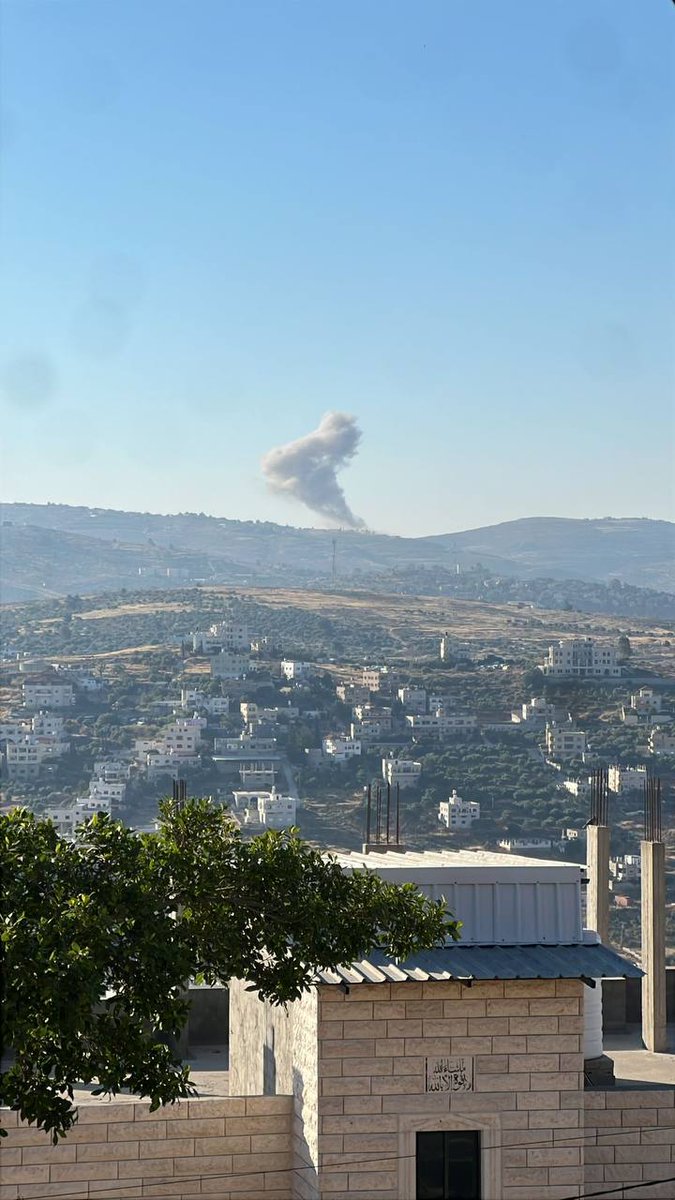
The Middle East has entered a new and dangerous phase of confrontation following a rapid escalation between Israel and Iran. Israel decided to close all schools, ordered millions of Israelis to remain close to shelters, and shut down its airspace after Iran launched an initial series of attacks, followed by subsequent attacks against northern Israel. Those attacks were followed by Israeli retaliatory strikes against several Iranian cities, triggering a new cycle of escalation. Iran and Hezbollah then responded to the Israeli retaliation, bringing the region back into direct confrontation after a period of relative restraint. Iran is now fighting on behalf of its hybrid Lebanese ally, rather than expecting Hezbollah alone to carry the confrontation.
Washington and Tel Aviv sought to compartmentalise the Lebanese and Iranian fronts but Tehran merged them into a single strategic equation, demanding the total end of the war on all fronts, including Lebanon and Gaza, when the negotiations between the US and Iran reached a deadlock despite Donald Trump announcing that the war was over. Iran has abandoned its policy of “strategic patience” and adopted a more confrontational doctrine whenever its allies or national security are placed in jeopardy. Tehran is now moving toward “strategic deterrence,” seeking to impose new rules of engagement on Israel and the United States. If this approach succeeds, it could seriously undermine Israel’s long-standing deterrence doctrine and consolidate Iran’s position as a regional power for years to come.
Subscribe to get access
Read more of this content when you subscribe today.
Make a one-time donation
Make a monthly donation
Make a yearly donation
Choose an amount
Or enter a custom amount
Your contribution is appreciated.
Your contribution is appreciated.
Your contribution is appreciated.