



By Elijah J. Magnier –
The most significant consequence of the renewed war between the United States and Iran may ultimately prove to be political rather than military. In Iran, Israel and the United States, influential factions believe continued warfare can deliver strategic gains. The essential difference is that Iran’s most uncompromising forces do not possess the final authority and remain constrained by collective political and security institutions. In Israel and Washington, by contrast, those advocating a broader and longer conflict currently exert decisive influence over policy and are driving the escalation forward. As bombs destroy infrastructure and missiles reshape the battlefield, the war is also transforming Iran’s political balance and strengthening those who have long argued that the United States is unreliable and therefore cannot be trusted.
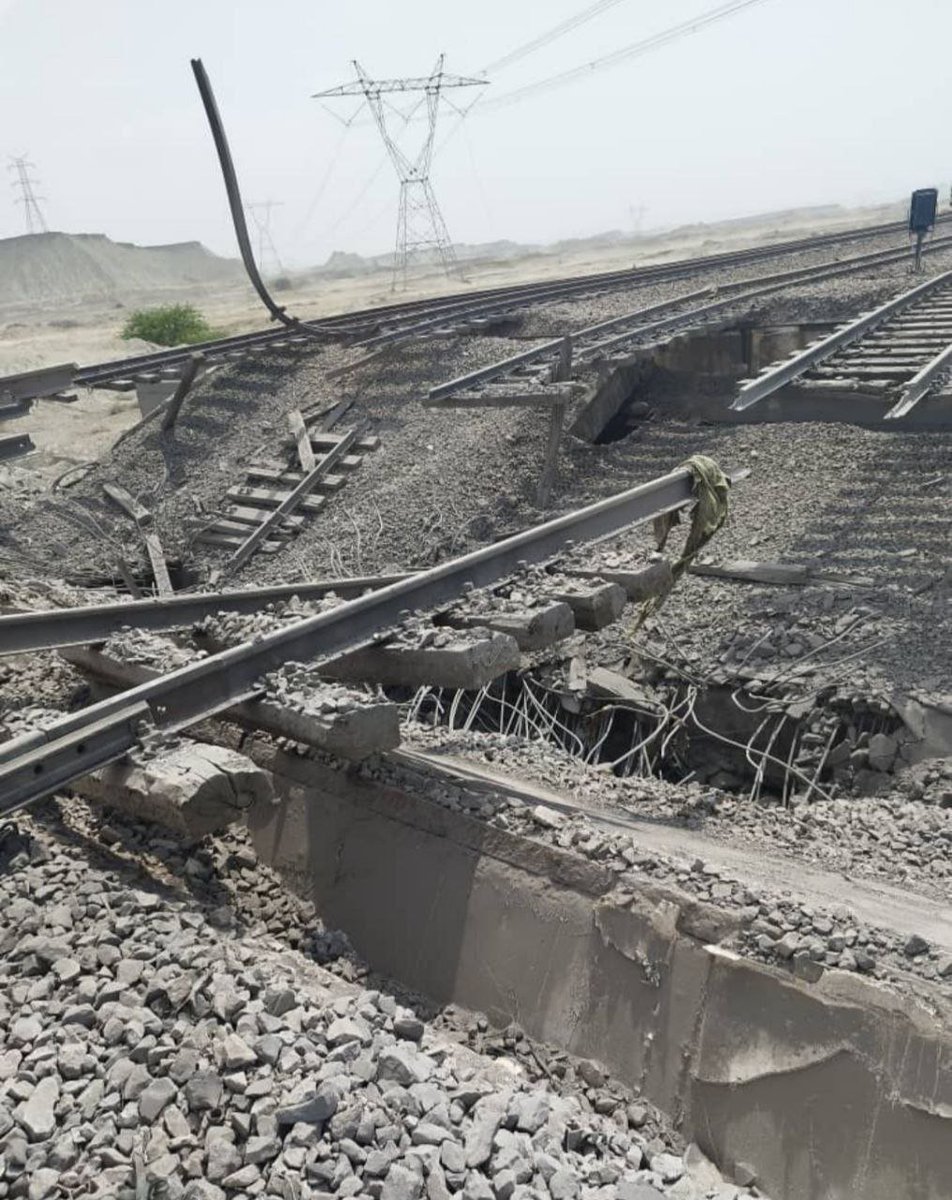
For more than a week, American and Israeli military operations have expanded steadily in intensity, geography and scope. Beyond attacks on military facilities, Iran says the United States has targeted civilian infrastructure, including desalination installations, ports, bridges and fuel depots, while American officials have threatened further strikes against electrical power stations and other strategic assets. Additional aircraft, including aerial-refuelling tankers, have reportedly been moved to Ben Gurion airport in Israel, suggesting a potential preparation for a prolonged campaign rather than a limited punitive operation intended to conclude quickly, unless mediators achieve a significant breakthrough and reach an agreement to de-escalate.
Subscribe to get access
Read more of this content when you subscribe today.
Make a one-time donation
Make a monthly donation
Make a yearly donation
Choose an amount
Or enter a custom amount
Your contribution is appreciated.
Your contribution is appreciated.
Your contribution is appreciated.