



By Elijah J. Magnier
Whenever the US president is questioned about the war against Iran—its mounting cost, its objectives or his exit strategy—he falls back on the same automatic refrain, even when it does not answer the question: the United States will not allow Iran to acquire a nuclear weapon. Trump continues to invoke the principal Iranian nuclear facilities he claimed to have “obliterated” in June 2025 and again presented the nuclear issue as the central justification for the war launched in February 2026. Yet after the first forty days of fighting, repetition of that slogan still offered no explanation of how long the war would continue, what victory would mean or how Washington intended to end it.
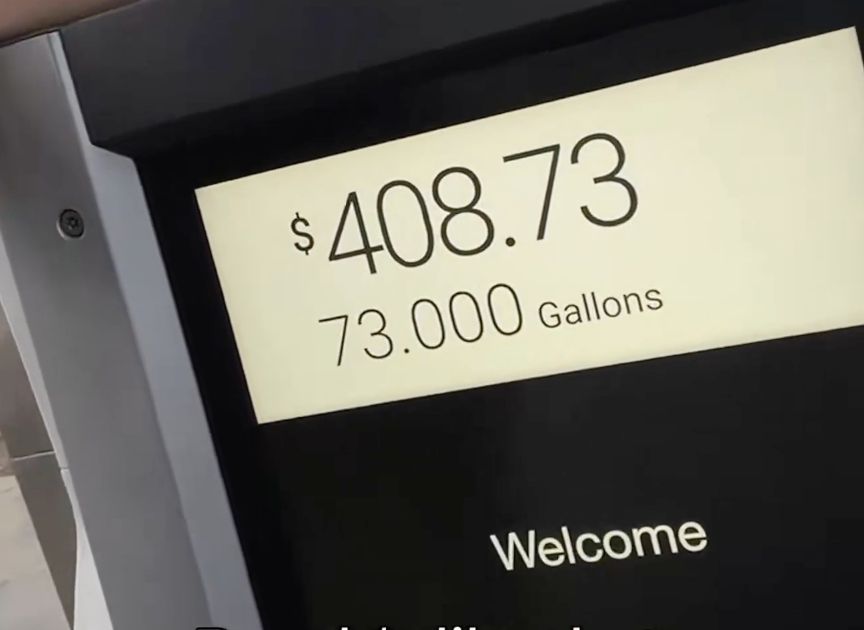
Most Europeans and Americans are less preoccupied with what Trump wants—or remains capable of achieving—in Iran. They are neither invested in reshaping Iran’s political system nor persuaded that Tehran represents a threat sufficiently urgent to justify another open-ended war in West Asia. They are even less convinced that the United States, Europe and much of the wider world should bear the military and economic burden of a confrontation serving Israel’s strategic priorities more directly than their own immediate interests. The war has reached a costly stalemate with no visible exit, while its military and economic consequences are spreading into Yemen, Saudi Arabia and other parts of the region.
Subscribe to get access
Read more of this content when you subscribe today.
Make a one-time donation
Make a monthly donation
Make a yearly donation
Choose an amount
Or enter a custom amount
Your contribution is appreciated.
Your contribution is appreciated.
Your contribution is appreciated.