



By Elijah J. Magnier –
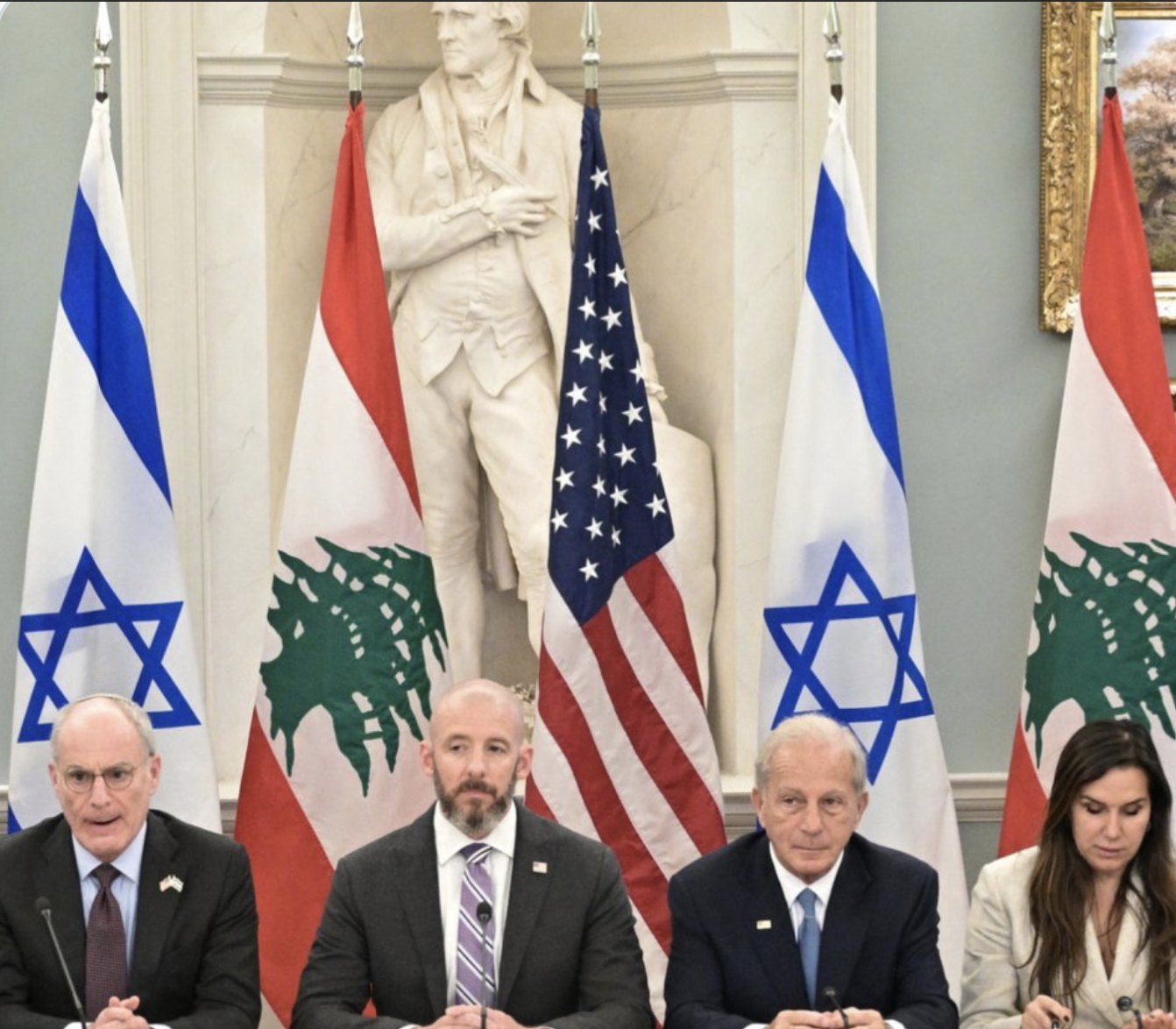
The joint statement issued on 3 June 2026 by the United States, Israel and Lebanon has been widely presented as a ceasefire arrangement designed to reduce tensions and create conditions for a more stable future. A closer reading suggests that this interpretation is incomplete. The document is not a traditional ceasefire, nor is it a detailed peace treaty. Rather, it is a political-security framework intended to redefine the relationship between Lebanon, Israel, Hezbollah and the Lebanese state itself. Its significance therefore extends far beyond military de-escalation along the border.
From Jerusalem’s perspective, the freedom of action preserved by the agreement is enormous. There is no Israeli withdrawal timetable, no meaningful restriction on Israeli intelligence activity, overflights or targeted operations, provided these can be framed as preventing Hezbollah’s re-emergence, and Israel explicitly reaffirms that its security requires Hezbollah’s disarmament and the dismantlement of its infrastructure throughout Lebanon, a formulation far stronger and more operational than Lebanon’s own commitments. This gives Israel a violation-based reset button that is diplomatically easier to press than a pure self-defence claim. Hezbollah and Iran are unlikely to comply in substance; their probable response will be quiet rearmament under civilian cover, political warfare inside Lebanon and a strategy of waiting out the process until American or Israeli domestic politics shift. Attrition favours the patient. The agreement is therefore a net positive for Israel in the diplomatic and narrative domains: it buys time, legitimises pressure, isolates Hezbollah and creates a flexible enforcement framework. Yet it is not transformative on its own.
The framework also redistributes diplomatic authority. Washington becomes the exclusive manager of the file, while Iran is explicitly pushed outside the negotiating framework, Hezbollah is denied political standing as an independent negotiating actor, France is reduced to the margins despite its historic role in Lebanon, and the United Nations is relegated to the background. This is not a multilateral settlement. It is an American-led structure designed to convert Israeli security requirements into Lebanese state obligations.
Subscribe to get access
Read more of this content when you subscribe today.
Make a one-time donation
Make a monthly donation
Make a yearly donation
Choose an amount
Or enter a custom amount
Your contribution is appreciated.
Your contribution is appreciated.
Your contribution is appreciated.