



By Elijah J. Magnier
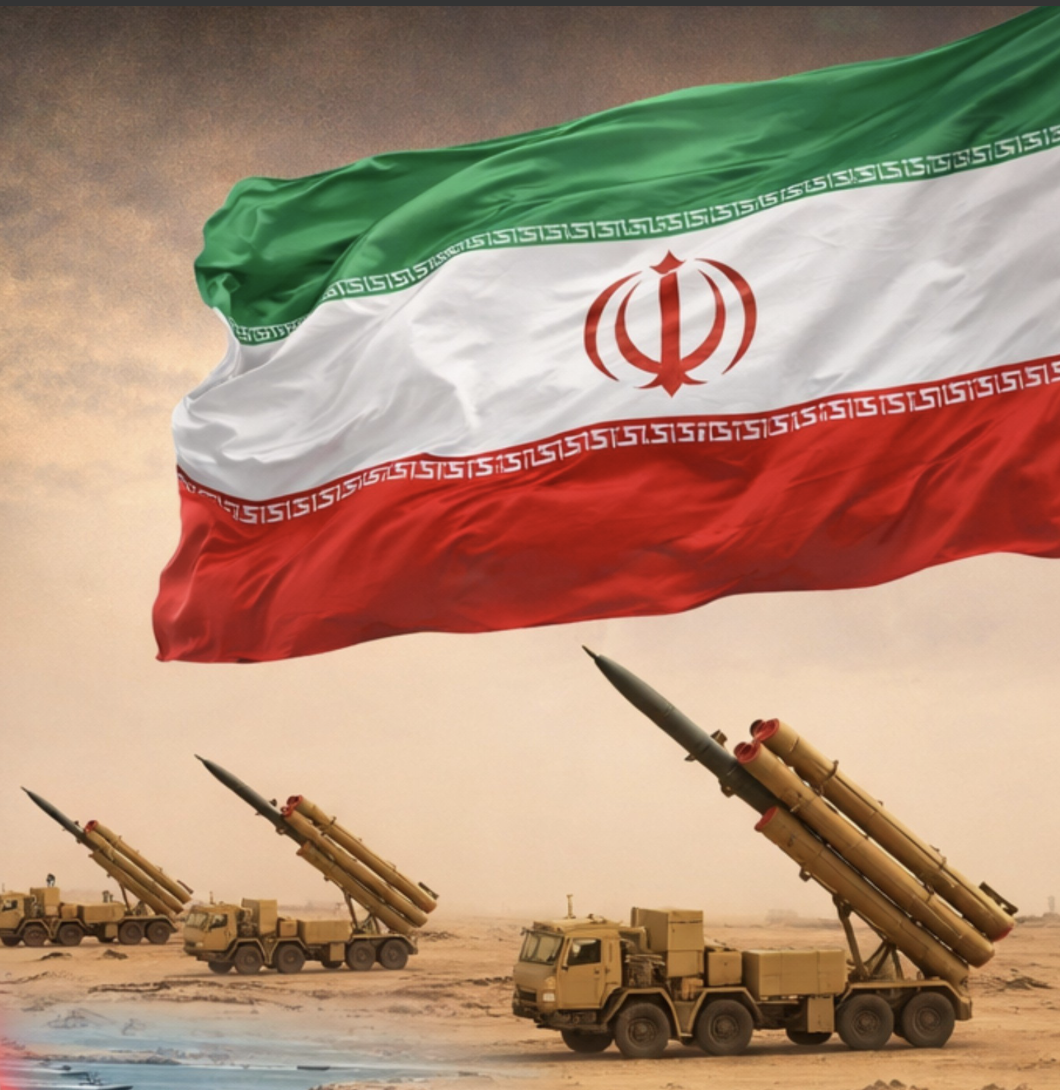
The American confrontation with Iran over the Strait of Hormuz may have consequences extending far beyond the Gulf. Donald Trump appears to possess neither a coherent war strategy nor a credible route out of the conflict. Having failed to compel Iran to capitulate or restore navigation through Hormuz on American terms, he may conclude that another large scale bombing campaign is required before he can declare victory and seek an exit.
The scale of American precautionary measures suggests that Washington is preparing for a possible renewed regional escalation. US diplomatic missions across the Middle East, including in Oman, Iraq, the United Arab Emirates, Qatar, Israel, Jordan, Egypt, Saudi Arabia, Bahrain and Kuwait, have urged Americans to leave while commercial transport remains available and to prepare for flight cancellations, airspace closures and severe travel disruption. These warnings do not prove that a major attack has been decided, but they demonstrate that Washington considers widespread Iranian retaliation sufficiently plausible to prepare American citizens for it.
Yet another bombing campaign would not resolve the strategic problem confronting the United States. It might destroy additional Iranian installations and allow Trump to announce another tactical success, but it would not necessarily compel Tehran to relinquish its influence over Hormuz. On the contrary, it could produce renewed attacks against American bases and allied states, further disruption to shipping and another demonstration that overwhelming firepower does not automatically restore political control.
Subscribe to get access
Read more of this content when you subscribe today.
Make a one-time donation
Make a monthly donation
Make a yearly donation
Choose an amount
Or enter a custom amount
Your contribution is appreciated.
Your contribution is appreciated.
Your contribution is appreciated.