



Author: Elijah J. Magnier
Israel’s role and fingerprints in the assassination of key Hamas figures in Lebanon have become increasingly evident. Among those targeted were Saleh Al-Arouri, the deputy head of Hamas’ political bureau, and other prominent figures in the al-Qassam Brigades, such as Samir Fandi and Azzam Al-Aqraa, who have long been on Israel’s list of targeted assassinations. These actions resulted not only in their deaths but also in the loss of three Lebanese lives. This breach of the long-standing rules of engagement that Hezbollah has enforced as a defence and deterrent against such assassinations and violations appears to be a desperate attempt by Prime Minister Benjamin Netanyahu to maintain his grip on power. This tactical “victory” comes in the wake of his failed strategic goals in Gaza to defeat Hamas and free all Israeli prisoners following almost three months of war on Gaza and its inhabitants.
This situation raises critical questions about the possible direction of this escalation. Is it possible that these assassinations will lead to more than the intense border bombardments that Israel has been able to withstand? Could we see a resumption of target assassinations against a wide range of groups in Lebanon, including Palestinians, Yemenis, Iraqis, Iranian leaders and Hezbollah itself? The complexity and volatility of the situation suggest a precarious path ahead, with implications that could extend far beyond the immediate region if Israel’s objective is to enlarge the front of the war.
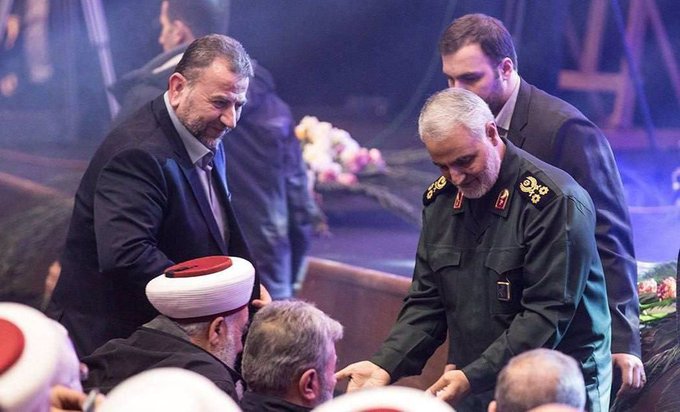
Three years ago, on the same night of 2 January, the United States carried out significant target assassinations that resulted in the deaths of Major General Qassem Soleimani and Abu Mahdi Al-Muhandis. The US believed this action would weaken the resistance against its presence in the Middle East and against its ally, Israel. However, the impact of such operations on the capabilities of resistance movements (and on a country like Iran) is complex, as these groups often do not depend solely on a single leader. They typically operate with a flexible, flat and horizontal leadership structure, unlike a traditional, pyramidical and hierarchical one, and are aware of the constant risks faced by their members, including the possibility of assassination.
In this context, what Israel did aligns with its previous actions against Palestinian, Lebanese, and Iranian leaders, aiming for tactical and media victories. Yet, the resistance movements’ operational structures and strategies are designed to withstand the loss of leaders, incorporating the potential for such losses into their daily planning.
Subscribe to get access
Read more of this content when you subscribe today.