



By Elijah J. Magnier
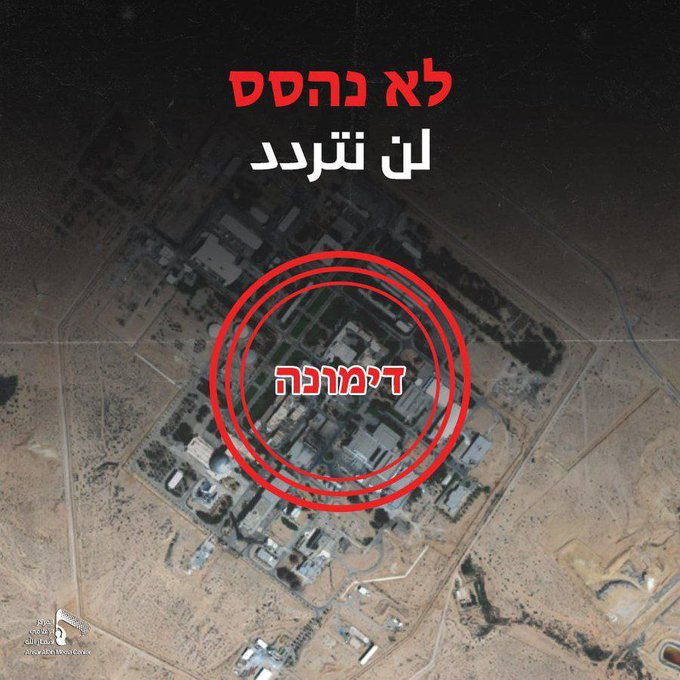
Israel has turned its attention to Yemen as a key battleground in its struggle against what Tel Aviv claim as an Iranian influence. The Ansar Allah movement, also known as the Houthis, is seen by Israel as the “last stronghold in Tehran’s regional proxy network”. In cooperation with the United States and Western allies, Israeli intelligence is reportedly gathering detailed information on Yemen’s military capabilities, key leaders and infrastructure to undermine its operational strength and assassinate its top commanders. However, Israel’s attempts are hampered by logistical, geographical and strategic obstacles. That can be overcome by a serious US engagement and participation to the planned attack. Yemen’s increasingly active role in the conflict is reshaping the Israeli-Iranian rivalry and altering the geopolitical dynamics of the Middle East.
Yemen’s emergence as a strategic player
Since October 7, Yemen has launched over 200 rockets and 170 drones at Israeli targets, marking an unprecedented escalation in its military engagement. This demonstrates Yemen’s unwavering commitment to the resistance movement in response to Israel’s military crimes in Gaza. While the total firepower Ansar Allah has deployed over 13 months is comparable to what Hezbollah fired in a single day before the announcement of the cessation of hostilities, Yemen’s strikes underscore its growing capability to project military power beyond its borders and assert its presence in the regional conflict.
Subscribe to get access
Read more of this content when you subscribe today.
Make a one-time donation
Make a monthly donation
Make a yearly donation
Choose an amount
Or enter a custom amount
Your contribution is appreciated.
Your contribution is appreciated.
Your contribution is appreciated.
DonateDonate monthlyDonate yearly